
How Plumbing Systems Work in St. Louis, MO Homes: Pipes, Pressure and Common Failures Explained
Learn how St. Louis home plumbing works, from supply lines and drains to pressure issues and common failures.
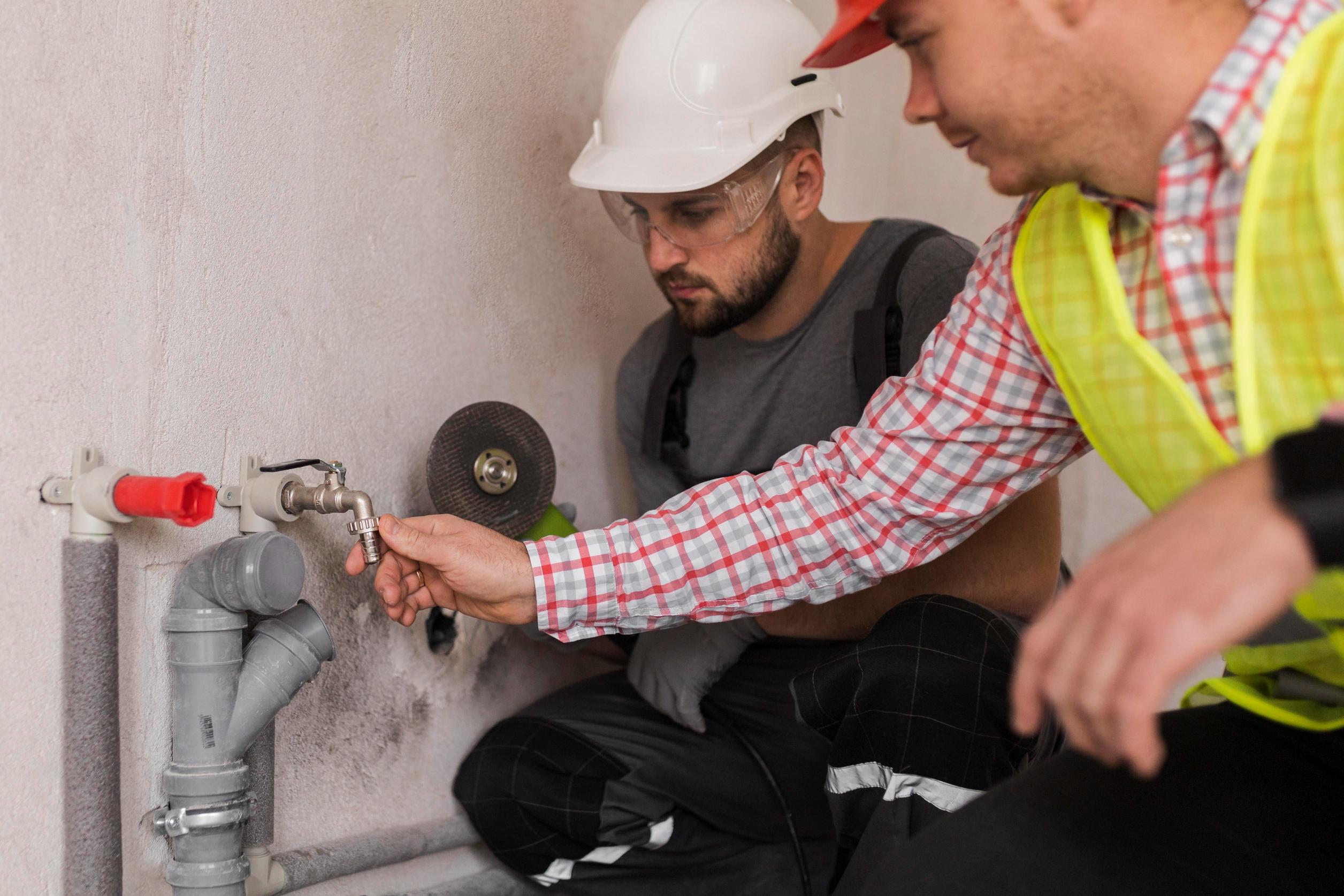
Plumbing in a St. Louis home is easy to ignore until a drain backs up, water pressure drops, or a pipe starts leaking. The system has two main jobs: bringing in clean water and removing wastewater. Reputable plumbing experts can identify which side of the system is causing the problem and fix it before it becomes a larger repair.
For homeowners in St. Louis, St. Charles, O’Fallon, Wentzville, Chesterfield, and nearby areas, the age of the home matters. Older pipes, clay sewer lines, cast-iron drains, and aging water heaters often show up in local service calls. Knowing the basics helps you notice small signs before they become emergencies.
The Supply Side: How Water Gets Into Your Home
Clean water enters the home through the municipal supply line. It passes through the main shutoff valve, usually near the water meter, then moves through smaller lines to sinks, toilets, showers, appliances, and outdoor faucets. Cold water goes directly to fixtures, while hot water runs through the water heater first.
Older St. Louis homes may still have galvanized steel supply lines. These pipes rust from the inside, which can slowly reduce water flow and eventually cause leaks. Newer homes are more likely to have copper, CPVC, or other modern supply materials, but those still wear over time.
Warning signs on the supply side include rusty water, low pressure throughout the house, and a water bill that jumps without a clear reason. A hidden supply leak can waste water for weeks before it shows on a wall or floor. That is why changes in pressure or usage should not be brushed off.
The Drain Side: How Waste Leaves Your Home
The drain side carries used water away from sinks, tubs, toilets, floor drains, washers, and other fixtures. Unlike supply lines, drain lines do not use pressure. They rely on proper slope and gravity to move wastewater toward the main sewer line.
Each fixture connects to the home’s drain-waste-vent system. Vent pipes allow air into the system so water can flow smoothly rather than being pulled from nearby traps. If vents or drains are blocked, you may hear gurgling, smell sewer gas, or see slow drainage.
Every sink and many drains have a P-trap, the curved section of pipe that holds water and blocks sewer gas. If a trap dries out or cracks, odors can enter the home. That sewer smell is often the first sign that something is wrong.
How Water Pressure Works and Why It Matters
Most homes do best with water pressure around 50-60 PSI. Pressure that is too low makes showers weak and appliances slow to fill. Excessive pressure can stress valves, fixtures, water heaters, washing machines, and supply lines.
A pressure-reducing valve helps control the pressure coming in from the city line. When that valve fails, pressure can spike, drop, or fluctuate. If your water pressure suddenly feels different, this valve is worth checking.
High pressure can also make small leaks worse. Low pressure can point to a buildup, a regulator issue, or a hidden leak. A plumber can test the pressure and trace the cause, rather than guessing.
The Most Common Plumbing Failures in St. Louis Area Homes
Tree roots in sewer lines are one of the most common problems in older neighborhoods. Roots find small cracks or joints in clay or cast iron pipe, then grow into the line. Over time, they catch waste and debris until the drain slows or backs up.
Galvanized supply lines are another issue in older homes. Rust builds inside the pipe where homeowners cannot see it. If water looks rusty or pressure has been dropping for years, replacement may be the long-term fix.
Water heaters also fail often in homes with older units. Most tank water heaters last about 8 to 12 years, though some fail sooner. Rumbling noises, inconsistent hot water, leaks near the base, or rusty hot water are signs the unit should be checked.
Slab leaks occur when lines beneath concrete develop leaks. Warning signs include warm floor spots, running water sounds when fixtures are off, damp flooring, or higher bills. Sump pumps are another common failure point, especially before spring rains or during freeze-thaw weather.
What to Do When Something Stops Working
Start by shutting off the water near the problem if you can. For a toilet or sink, use the small shutoff valve nearby. For a larger leak, use the main shutoff near the water meter.
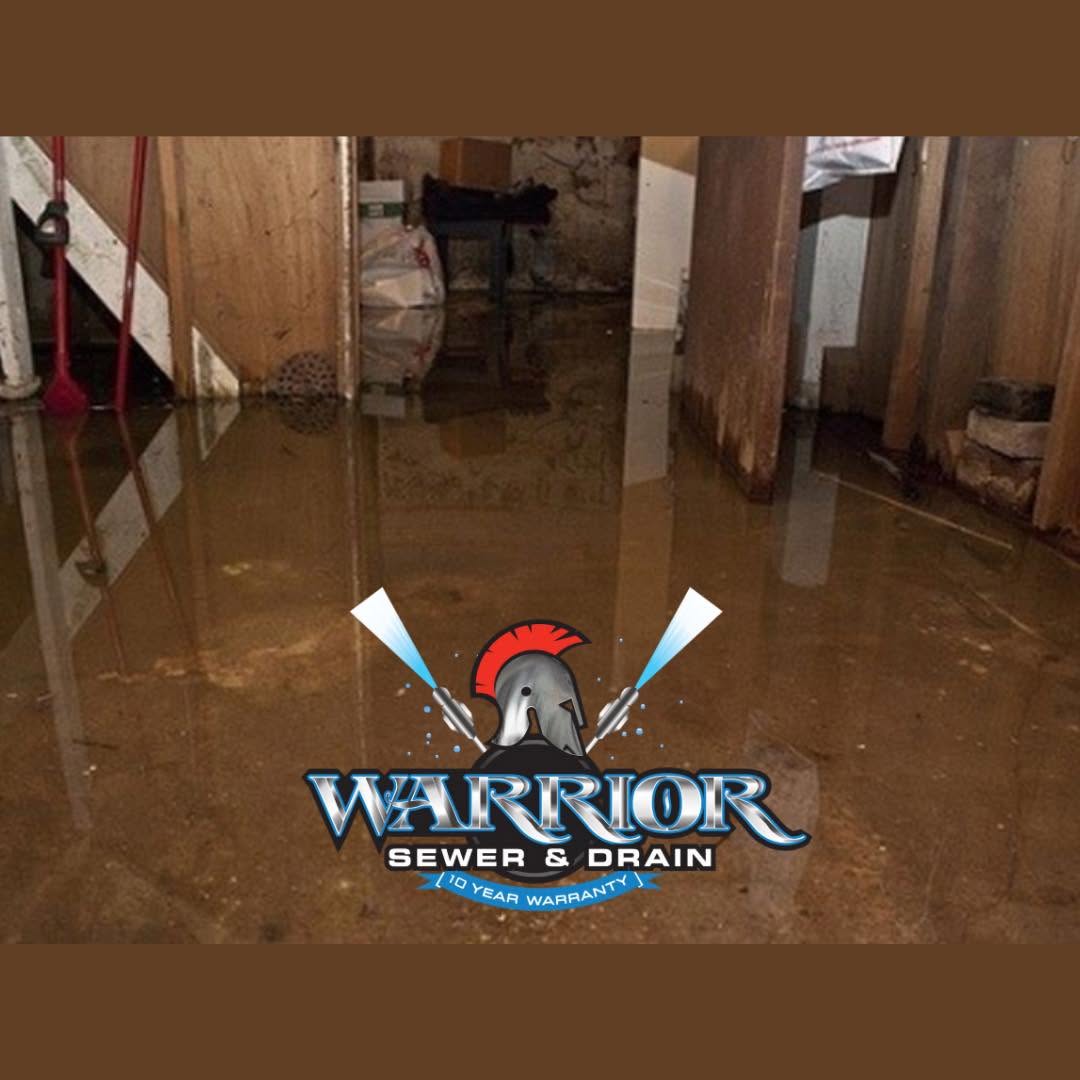
Avoid using drains if sewage is backing up. Running more water can push wastewater farther into the home. Take photos of any damage, then call a licensed plumber before the issue spreads.
Our team serves St. Charles, O’Fallon, Wentzville, Chesterfield, St. Peters, Lake St. Louis, and surrounding communities. We offer free estimates, 24/7 emergency service, and a no-upsell policy on every call. Call (636) 498-2686 or visit our plumbing services page to book.
Related Topics:







.jpg)
.jpg)
.jpg)
.jpg)